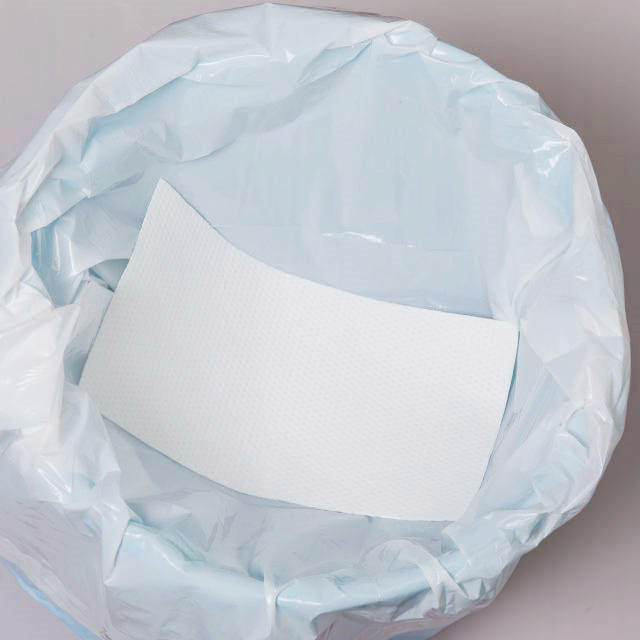
In healthcare environments, the smallest products often have the biggest impact on infection control and patient dignity. Disposable hygiene bags — including vomit bags, commode liner bags, disposable bedpan plastic bags, and emergency urine bags — are among the most frequently used yet most overlooked consumables in clinical and home care settings worldwide.
As global healthcare systems place increasing emphasis on infection prevention, waste reduction, and patient-centered care, the demand for well-designed, reliable hygienic bag products has never been stronger. Let's explore why these products matter and what to look for when sourcing them.
The Role of Hygiene Bags in Infection Control
Body fluids — whether from vomiting, incontinence, or routine patient elimination — are among the primary vectors for healthcare-associated infections (HAIs). When fluids come into contact with reusable bedpans, emesis containers, or urinals, the risk of cross-contamination multiplies unless rigorous cleaning and disinfection protocols are followed.
Disposable hygiene bags address this challenge directly:
- Vomit bags (emesis bags) with integrated absorbent gelling agents instantly solidify liquid, preventing splashing and reducing aerosolization of pathogens. A properly designed disposable emergency sickness emesis urine vomit bag allows patients to vomit safely into a sealed container that can be disposed of immediately.
- Commode liner bags and disposable bedpan plastic bags create a single-use barrier between body waste and the bedpan or commode, eliminating the need to manually empty and sanitize reusable containers between patients.
- Disposable urinal bags with super absorbent pads absorb and gelify urine on contact, enabling safe, spill-free disposal — a critical feature for field use, ambulances, and home care where plumbing access is limited.
"The switch to disposable commode liners reduced our housekeeping turnaround time between patient discharges by approximately 15 minutes per room — time that translates directly into bed availability during peak admission periods."
Key Product Categories and Their Applications
1. Disposable Vomit Bags / Emesis Bags
These hygiene bags are indispensable in emergency departments, oncology wards, and post-surgical recovery units — anywhere nausea and vomiting are common. The best designs feature:
- A wide opening for ease of use under distress
- Super absorbent polymer (SAP) that gels liquid within seconds
- Odor-control technology to minimize discomfort for patients and nearby roommates
- A secure twist-top or zip closure for safe disposal
In chemotherapy units alone, a single patient may require multiple emesis bags per session. With oncology treatments growing globally, the consistent demand for high-quality disposable emergency urine bags and vomit bags continues to rise.
2. Commode Liner Bags and Bedpan Liners
Commode liner bags are used in hospitals, nursing homes, and assisted living facilities to line bedpans and commode buckets. When equipped with a super absorbent pad, they can absorb several hundred milliliters of liquid waste, reducing the weight and spill risk during transport to the disposal area.
For facilities processing hundreds of bedpans daily, switching from manual emptying and chemical disinfection of reusable bedpans to a single-use bedpan liner with super absorbent pad system can reduce labor costs, chemical purchase expenses, and water consumption significantly.
3. Disposable Urinal Bags
Portable disposable outdoor emergency urine bags serve a broader range of applications than many procurement teams initially realize:
- Ambulance and EMS: En-route patient care without risk of spillage
- Disaster relief: Field hospitals and emergency shelters where plumbing is unavailable
- Home healthcare: Bedridden patients who cannot access bathroom facilities
- Travel and outdoor: Consumer applications for camping, road trips, and long-haul transport
The absorbent gel technology in these bags has advanced considerably, with modern products capable of absorbing up to 800 ml of liquid while maintaining a sealed, odor-free containment.
Sourcing Considerations for Procurement Teams
When evaluating hygiene bag suppliers, procurement managers should consider several critical factors beyond unit price:
- Material quality: Films should be thick enough to resist punctures and leaks during use and transport
- Absorbent performance: SAP (super absorbent polymer) absorption rate and capacity should be verified with testing data
- Regulatory compliance: Products intended for medical use should meet applicable regional standards. Manufacturers certified to ISO 13485, with CE marking and FDA registration, provide assurance of consistent quality management.
- Packaging and shelf life: Individually wrapped products maintain sterility and allow for convenient point-of-use distribution
- Customization: OEM options for branding, packaging language, and bag dimensions help distributors serve their local markets more effectively
Why Newrise Medical Is a Trusted Partner
Changzhou Newrise Medical & Hygiene Products Co., Ltd. has been manufacturing disposable medical and hygiene products since 2004. Our 40,000㎡ facility in Changzhou, Jiangsu operates a 100,000-class clean room spanning 1,500㎡ and holds ISO 13485, CE, and FDA certifications.
We produce a comprehensive range of hygiene bag products — from vomit bags and commode liner bags to disposable urinal bags with super absorbent pads — and export to over 50 countries. Our 20+ years of manufacturing experience, combined with flexible OEM/ODM capabilities, make us a reliable partner for distributors, group purchasing organizations, and healthcare chains worldwide.
Whether you need standard off-the-shelf products or fully customized hygiene bag solutions, our team responds to inquiries within 24 hours.