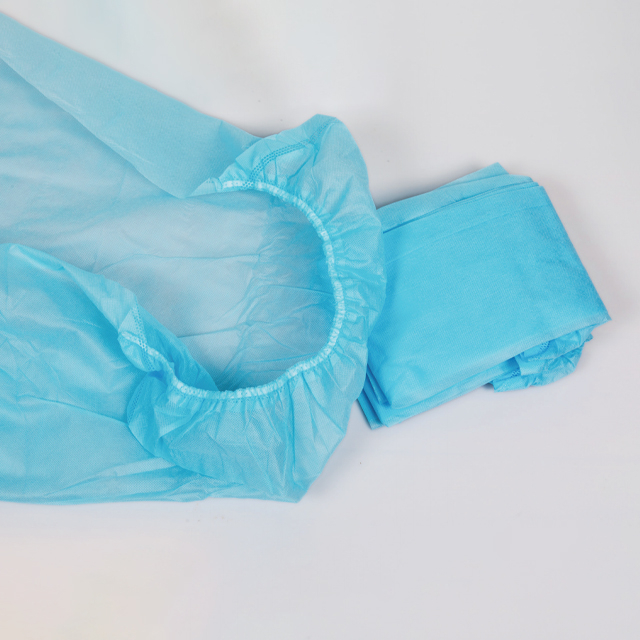
The Hidden Cost of Reusable Bed Sheets
Every hospital bed turnover involves a critical decision: reusable or disposable? While traditional woven cotton sheets have been the standard for decades, healthcare facilities worldwide are making a decisive shift toward disposable protective sheets — and the data behind this transition is compelling.
A typical 200-bed hospital processes between 400 and 800 bed sheets per day. The hidden costs extend far beyond the initial purchase price of the textile. Laundry operations consume significant water, energy, and labor — while inadequate laundering can harbor pathogens and contribute to healthcare-associated infections (HAIs). In contrast, a disposable bedsheet eliminates laundering entirely, providing a fresh, sterile surface for every patient.
Types of Disposable Protective Sheets: A Material Comparison
Not all disposable draw sheets are created equal. The material you choose directly impacts performance, comfort, and cost. Here's a breakdown of the most common types used in clinical settings.
Non-Woven Draw Sheets
Nonwoven disposable draw sheets are manufactured using bonded fiber technology rather than traditional weaving. They offer a lightweight, breathable surface suitable for general patient care and short-stay applications. Spunlace non-woven variants provide a softer, cloth-like feel that patients find comfortable during extended hospital stays.
Airlaid with PE Film Protective Bed Sheets
For situations where fluid resistance is essential, a disposable airlaid with PE films protective bed sheet combines the absorbency of airlaid tissue with a polyethylene backing layer. This construction creates an effective moisture barrier that protects the underlying mattress while remaining comfortable against the skin. These sheets are particularly valuable in operating rooms, delivery wards, and emergency departments.
Waterproof Protective Bed Sheets
Waterproof protective bed sheets with full PE lamination on the underside provide maximum fluid barrier protection. They are the go-to solution for surgical procedures, wound care, and any clinical scenario where bodily fluid exposure is expected. The key advantage over traditional waterproof covers: they are single-use, eliminating the risk of cross-contamination between patients.
Surgical Draw Sheets
A disposable surgical drawsheet is designed for use in sterile environments. These sheets are typically manufactured in controlled cleanroom conditions and may be available in sterile packaging. They serve both as a patient comfort layer and as part of the sterile field setup during procedures.
| Material Type | Fluid Resistance | Comfort | Best For |
|---|---|---|---|
| Non-woven | Low | High | General wards, short stays |
| Spunlace | Low-Medium | Very High | Long-term care, patient comfort |
| Airlaid + PE film | High | Medium-High | OR, delivery, emergency |
| Full PE lamination | Very High | Medium | Surgical, wound care |
Key Benefits of Switching to Disposable Bed Sheets
1. Infection Control
The most significant advantage of a disposable medical draw sheet is infection prevention. Reusable textiles, even after industrial laundering, can retain bacterial spores and viral particles. Single-use sheets guarantee a clean surface every time, directly supporting your facility's infection prevention protocols and HAI reduction targets.
2. Operational Efficiency
Eliminating the laundry cycle reduces bed turnaround time significantly. Instead of waiting for cleaned linens, staff simply remove the used disposable bed sheet and replace it with a fresh one. This is especially impactful in high-turnover environments like emergency departments and day-surgery units, where beds need to be ready for the next patient within minutes.
3. Cost Predictability
While the per-unit cost of a medical bedsheet may appear higher than a reusable alternative, the total cost of ownership tells a different story. When you factor in water consumption, energy for heating and drying, laundry chemicals, labor, linen replacement cycles, and the risk of HAI-related costs, disposable sheets often deliver equal or lower total costs — with the added benefit of predictable, fixed per-unit pricing.
4. Storage and Logistics
Disposable sheets are compact and lightweight. A single pallet of disposable protective sheets can hold the equivalent of thousands of bed turnovers, compared to the bulky storage space required for reusable linen inventories. This is particularly valuable for facilities with limited storage capacity or those managing emergency stockpiles.
Choosing the Right Sheet for Each Department
Smart procurement means matching the sheet type to the clinical need. Here's a practical guide:
- General wards: Standard non-woven draw sheets offer adequate protection and patient comfort at the lowest cost point.
- ICU and long-stay units: Spunlace or airlaid materials provide superior comfort for patients who spend extended periods in bed.
- Operating rooms: Airlaid with PE film or full waterproof protective sheets for fluid management during procedures.
- Emergency departments: Waterproof draw sheets that handle unpredictable scenarios while ensuring rapid bed turnover.
- Maternity wards: Highly absorbent airlaid with PE film sheets to manage high-fluid situations safely.
- Ambulance and transport: Lightweight non-woven sheets that are easy to stock and dispose of after single-patient transport.
The best disposable protective sheet is the one that matches your clinical scenario — not the cheapest or the most expensive. Match material properties to actual risk levels.
Quality Standards to Look For
When evaluating suppliers for disposable non-woven draw sheets for hospital use, ensure the manufacturer meets recognized quality standards:
- ISO 13485 certification — the international quality management standard for medical device manufacturers
- CE marking — compliance with European medical device regulations
- FDA registration — for products destined for the US market
- Material testing reports — tensile strength, absorption capacity, and fluid barrier performance data
- Biocompatibility testing — ensuring materials are safe for prolonged skin contact
🔑 Key Takeaways
- Disposable protective sheets eliminate laundry costs and reduce HAI risk
- Material choice matters: non-woven for general use, airlaid + PE film for high-fluid scenarios
- Total cost of ownership often favors disposables when all factors are considered
- Verify ISO 13485, CE, and FDA credentials before selecting a supplier
- Match sheet type to department needs — one size doesn't fit all
Why Newrise Medical for Disposable Protective Sheets?
Changzhou Newrise Medical & Hygiene Products Co., Ltd. has been a professional manufacturer of disposable medical and hygiene products since 2004. Our 40,000㎡ facility in Changzhou, China, operates a 100,000-grade cleanroom spanning 1,500㎡, ensuring the highest production standards for every disposable medical draw sheet we produce.
We hold ISO 13485, CE, and FDA certifications, and export to over 50 countries worldwide. Our disposable protective sheet range includes non-woven, airlaid with PE film, and fully waterproof options in multiple sizes to suit every clinical application.
Whether you're a hospital procurement manager, a medical supply distributor, or a group purchasing organization, Newrise Medical offers competitive pricing, reliable supply, and OEM/ODM customization services. Contact our Sales Manager, Rachel, for a free quote and product samples.