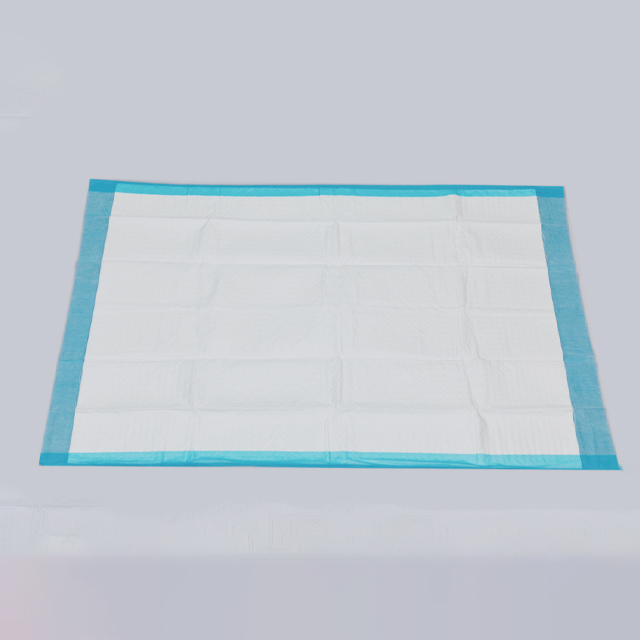
When procurement managers evaluate incontinence care products, the comparison almost always starts with per-unit cost. Disposable underpads appear cheaper on paper — typically costing a fraction of a reusable alternative per piece. But that's only the first line of a much longer equation. For hospitals, nursing homes, and long-term care facilities managing incontinence at scale, the total cost of ownership (TCO) tells a very different story.
As sustainability mandates tighten and operational budgets shrink, an increasing number of healthcare buyers are reconsidering the washable reusable underpad as a core component of their incontinence care strategy. Here's what the numbers actually show — and when each product type makes the most sense.
The Hidden Costs Behind "Cheap" Disposables
Disposable bed pads and incontinence underpads are designed for single use. In a 200-bed facility with moderate incontinence prevalence — estimated at 30-50% of residents in long-term care — daily consumption can easily exceed 600-800 units. At even modest per-unit pricing, the monthly spend compounds rapidly.
But the acquisition cost is only part of the picture. Facilities also absorb:
- Waste disposal fees — soiled disposables add significant volume to medical waste streams, increasing collection and disposal costs
- Storage and logistics — bulk disposable inventory requires dedicated warehouse space and frequent reordering
- Environmental compliance costs — many jurisdictions now impose surcharges on single-use medical products or mandate waste-reduction targets
- Supply chain risk — dependency on continuous replenishment creates vulnerability during disruptions
A 150-bed nursing home in the UK reported saving over £18,000 annually after transitioning 40% of their incontinence care routine from disposable to washable reusable products — despite the higher upfront investment per unit.
How Washable Reusable Products Change the Math
A quality washable bed pad or reusable incontinence pad is engineered to withstand hundreds of industrial wash cycles. Modern products from manufacturers like Newrise Medical use TPU (thermoplastic polyurethane) waterproof backing bonded to soft, absorbent surface layers — delivering reliable leakage protection while maintaining comfort across 300+ wash cycles.
Consider a simplified comparison for a single care station:
- Disposable underpads: 4-6 units per day × 365 days = 1,460-2,190 units annually per station
- Washable underpad (set of 5): Each pad used once daily, washed, and rotated. Five pads cover the cycle with spares for laundry turnaround. Initial investment replaces 1,460+ disposable units.
- Laundering cost: Industrial laundry averages $0.15-$0.30 per item per wash. Even at the high end, 365 washes cost roughly $55-$110 per pad annually — and the pad's usable life typically spans 2-3 years.
The breakeven point — where cumulative washable product costs fall below disposable spend — typically arrives within 4-8 months, depending on facility size and usage patterns. After that, the savings are largely pure margin recovery.
Product Range: Where Reusables Make the Biggest Impact
The washable and reusable product line extends well beyond standard underpads. Facilities that see the strongest ROI typically adopt a mixed approach across multiple product categories:
Waterproof Quilted Underpads
The workhorse of any incontinence care program. A well-constructed waterproof quilted underpad features a soft quilted top layer for patient comfort, an absorbent core for fluid retention, and a waterproof TPU or PVC backing that protects mattress surfaces. Available in multiple sizes to fit standard hospital beds, home care beds, and wheelchairs.
Washable Bed Pads with Wings
The washable bed pad with wings design includes side flaps that tuck under the mattress, preventing slippage during patient repositioning. This is especially valuable in high-movement environments — pediatric wards, geriatric care, and post-surgical recovery — where standard pads frequently shift out of position.
Washable Chair Pads
Smaller-format washable chair pads protect seating surfaces in wheelchairs, dining areas, and therapy rooms. They're easy to swap and launder, reducing the need for full furniture cleaning or replacement due to incontinence incidents.
Reusable Bibs
While disposable adult bibs remain the standard for infection-critical feeding situations (dysphagia care, isolation wards), reusable bibs offer a cost-effective alternative for routine mealtime protection in long-term care settings where laundering infrastructure already exists.
Infection Control: Addressing the Primary Concern
The most common objection to reusable incontinence products is infection control. Can washable products match the hygiene guarantee of single-use disposables?
The answer depends on laundering protocols. Industrial laundry facilities operating at 71°C (160°F) or above with appropriate detergent and disinfectant achieve microbial reduction levels comparable to disposables for non-critical applications. For facilities with certified on-site laundry or contracted industrial laundry services, the infection risk is well-managed.
However, in environments dealing with highly infectious patients — C. difficile, norovirus outbreaks, or isolation units — disposable products remain the safer choice due to the elimination of any cross-contamination risk during handling and transport to laundry.
The most effective approach is a hybrid model: washable reusable products for routine, low-risk incontinence care, and disposable backups for high-risk situations. This balances cost efficiency with clinical safety.
Sustainability and Regulatory Tailwinds
The global healthcare sector generates millions of tons of waste annually, with single-use products representing a significant share. Regulatory bodies across Europe, North America, and Asia-Pacific are introducing tighter waste-reduction requirements for healthcare facilities.
Facilities that adopt washable reusable incontinence products position themselves ahead of these regulatory curves while simultaneously reducing their environmental footprint. For organizations pursuing sustainability certifications or green procurement mandates, the argument for reusables extends beyond economics into compliance and corporate responsibility.
Why Partner with an Experienced Manufacturer
Not all washable reusable products are created equal. The difference between a pad that lasts 50 wash cycles and one that lasts 500 lies in material selection, stitching quality, seam sealing, and waterproof membrane durability.
At Changzhou Newrise Medical & Hygiene Products Co., Ltd., we've been manufacturing medical and hygiene products since 2004 from our 40,000㎡ facility in Changzhou, China. Our washable and reusable product line — including waterproof quilted underpads, reusable bed pads with wings, washable chair pads, and reusable bibs — is produced in a 100,000-class cleanroom and certified to ISO 13485, CE, and FDA standards.
We also offer full OEM/ODM services — custom sizing, branding, packaging, and material specifications — for distributors and private-label buyers across 50+ countries. Whether you're transitioning an existing facility or launching a new product line, our team can help you design the right mix of washable and disposable products for your specific use case.
Key Takeaways
- Washable reusable incontinence products typically reach breakeven with disposables within 4-8 months
- Quality matters: a well-made reusable underpad should last 300+ industrial wash cycles
- A hybrid model — reusables for routine care, disposables for high-risk situations — delivers the best balance of cost and safety
- Sustainability regulations are increasingly favoring reusable solutions in healthcare
- Partner with an ISO-certified manufacturer to ensure consistent quality and regulatory compliance