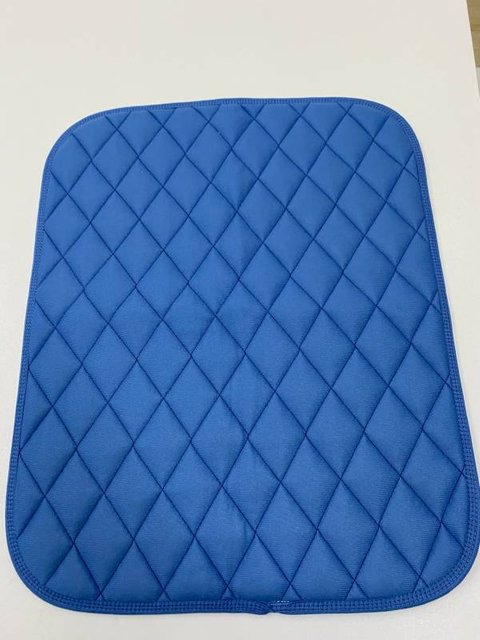
Disposable underpads — also known as disposable bed pads, bed mats, or incontinence underpads — are among the most frequently consumed single-use products in healthcare settings. They protect mattresses, stretchers, wheelchairs, and examination tables from moisture, bodily fluids, and contamination. Yet despite their ubiquity, many procurement teams struggle to select the right underpad specification for each care environment.
This guide breaks down the key decision factors: absorbency requirements, material composition, sizing, and the hidden costs that can inflate your total spend if overlooked.
Understanding Absorbency Levels
Not all disposable underpads are created equal. The core differentiator is absorbency capacity, typically measured in milliliters of fluid the pad can retain before leakage occurs. Products are generally categorized into three tiers:
- Light absorbency (300–600 ml): Suitable for minor incontinence, wound dressing changes, and procedure protection. These disposable bed pads for incontinence are thin, cost-effective, and ideal for low-risk scenarios.
- Medium absorbency (800–1,200 ml): The workhorse category for nursing homes and general hospital wards. Heavily absorbent waterproof underpads in this range handle moderate urine output and post-operative drainage reliably.
- Heavy absorbency (1,500–2,500+ ml): Designed for ICU patients, severe incontinence, and extended overnight use. These disposable medical underpad sheets typically feature fluff pulp cores with super-absorbent polymer (SAP) for maximum retention.
Matching absorbency to clinical need is the single most impactful procurement decision. Over-specifying wastes budget; under-specifying leads to mattress damage, linen changes, and potential infection control breaches — all of which cost far more than the pad itself.
Material Construction: What's Inside Matters
A quality waterproof incontinence underpad is engineered with three functional layers:
Top Sheet — The Surface Layer
The top sheet contacts the patient's skin and should be soft, non-woven, and ideally non-irritating. Spunlace non-woven materials offer the best balance of softness and durability. For sensitive skin applications — neonatal units, dermatology patients, or elderly care — a cotton-blend top sheet significantly reduces friction and pressure sore risk.
Core — The Absorbent Layer
The core is where performance is determined. Most disposable underpads use a combination of fluff pulp (cellulose fibers) and SAP (super-absorbent polymer). The ratio matters:
- Higher fluff pulp ratio: Faster initial absorption, better for high-volume liquid events.
- Higher SAP ratio: Greater total capacity in a thinner profile, ideal for discreet applications and home care.
Back Sheet — The Waterproof Barrier
The back sheet prevents liquid from reaching the mattress or surface below. PE film is the industry standard, but the quality of lamination between layers determines whether the pad stays flat during use or bunches and slides. A well-laminated disposable bed mat maintains its position throughout the night — reducing nursing interventions and improving patient comfort.
Sizing: One Size Does Not Fit All
Disposable underpads come in a wide range of sizes, and selecting the correct dimensions is as important as choosing the right absorbency level. Common sizes include:
- 60 × 60 cm (24" × 24"): Compact size for wheelchairs, car seats, pet care, and targeted spot protection.
- 60 × 90 cm (24" × 36"): The most popular size — fits standard hospital beds, cribs, and examination tables.
- 90 × 90 cm (36" × 36"): Larger coverage for bariatric patients, wider beds, and procedure areas requiring extended protection.
- 90 × 120 cm (36" × 48"): Maximum coverage for surgical tables, delivery rooms, and heavy-incontinence applications.
For pet care applications, disposable pets underpads and disposable incontinence pets underpads are often sized at 60 × 90 cm or 60 × 60 cm, providing reliable protection for pet beds, crates, and veterinary examination tables.
Disposable vs. Washable: The Procurement Equation
While washable underpads have gained traction in some settings — particularly for home care and long-term residential use — disposable underpads remain dominant in hospitals and acute care environments for several reasons:
- Infection control: Single-use means zero cross-contamination risk between patients.
- Convenience: No sorting, washing, drying, or inventory management of reusable stock.
- Consistent performance: Every new pad delivers the same absorbency; washable products degrade over cycles.
- Disposal cost is low: In most facilities, underpad disposal is handled within standard clinical waste streams without special handling.
That said, hybrid approaches are emerging. Some facilities use washable underpads for stable, long-term residents and disposable underpads for acute care, post-surgical, and high-risk patients. The key is matching the product type to the clinical risk profile of each patient population.
What to Look for in a Supplier
When sourcing disposable underpads at scale, procurement managers should evaluate suppliers against these criteria:
- Manufacturing certifications: ISO 13485 quality management certification is essential for medical-grade products. CE marking and FDA registration demonstrate regulatory compliance for target markets.
- Production capacity: Can the supplier scale with your demand? Look for manufacturers with multi-line facilities and documented output capacity.
- Material traceability: Quality manufacturers maintain batch-level traceability of raw materials, enabling rapid response to quality issues.
- Customization capability: OEM/ODM services for custom sizing, branding, and absorbency specifications allow distributors to differentiate their product offerings.
- Consistent supply chain: Reliable lead times and buffer stock programs prevent stockouts that can disrupt clinical operations.
"The best underpad is the one you don't have to think about — it performs consistently, stays in place, and costs predictably. That consistency is what separates a commodity product from a manufactured medical supply."
Why Newrise Medical
Changzhou Newrise Medical & Hygiene Products Co., Ltd. has been manufacturing disposable bed pads for incontinence and related healthcare consumables since 2004. Our 40,000㎡ facility in Changzhou, Jiangsu houses a 100,000-class cleanroom and multiple automated production lines dedicated to underpad manufacturing.
We hold ISO 13485, CE, and FDA certifications, and export to 50+ countries. Our disposable underpad range covers light through heavy absorbency in all standard sizes, with OEM/ODM customization available for private label distributors. Whether you need waterproof incontinence underpads for a hospital group or disposable pets pads for a pet supply brand, our production team can configure materials, sizing, and packaging to match your specifications.
Contact Rachel, our Sales Manager, at +86 519 86580890 or info@cznewrise.com to request samples and a quotation.